
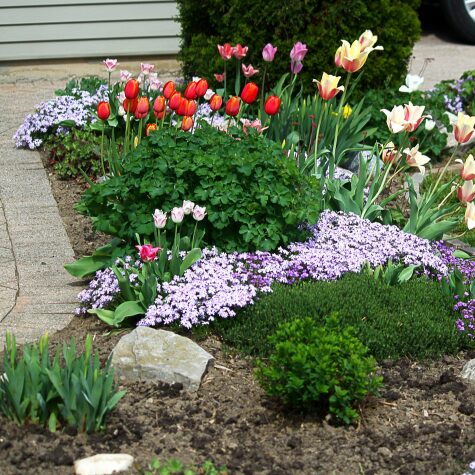
As we move through May 2026, the London property market is seeing a distinct trend: buyers are no longer viewing outdoor space as a “luxury add-on”—it is now a primary requirement. Whether it’s a sprawling suburban garden or a compact balcony in Zone 1, the “green premium” is real, and it’s measurable.
At Anderson Wilde & Harris, our chartered surveyors often see a significant discrepancy in valuations based purely on how well the external “envelope” of a property is presented.
What is Curb Appeal?
In the world of real estate, curb appeal (or kerb appeal) refers to the visual attractiveness of a house as seen from the street. It is the crucial first impression that sets the expectations for the rest of the property. When considering how to improve curb appeal, it is important to remember that a surveyor or potential buyer has already begun their assessment before they even step through your front door.
Does a Nice Garden Add Value to Your House?
The short answer is yes. Data suggests that a well-maintained garden can increase a property’s value by anywhere from 5% to 15%. However, the true green space ROI (Return on Investment) depends on the quality of the curb appeal landscape and how usable the space feels.
Expert Tips for Curb Appeal Landscaping
If you are looking for how much a garden adds to the value of a house, the secret lies in strategic improvements. Here are our expert tips for the spring season:
1. The Power of the Frontage Improving curb appeal landscaping doesn’t always require a total overhaul. Simple fixes can have a massive impact:
-
The Frontage: Ensure masonry is clean, railings are repainted, and the front door is in pristine condition.
-
Strategic Planting: In an urban environment, window boxes and high-quality planters provide an immediate “organic” feel that softens the city landscape. Check our guide on Neighbourly Matters if you are planning larger landscaping works near a boundary.
2. The “Fifth Room” Concept In the current market, a garden should be presented as an extension of the living space. Surveyors look for “usability” during residential valuations.
-
Zoning: By creating distinct areas for dining, lounging, and play, you effectively increase the square footage of the property in the buyer’s mind.
-
Indoor-Outdoor Flow: If you have bi-fold doors, ensure the transition to the outdoor space is seamless. Matching floor levels or using similar materials (like stone or composite decking) creates an optical illusion of a much larger home.
3. Privacy as Currency In densely populated areas, privacy is a major driver of value. Investing in mature trees or high-quality slatted fencing provides an immediate sense of seclusion. If your property is a flat, a short lease can often devalue these benefits; you can learn more about lease extensions here to ensure your total asset value is protected.
4. Low-Maintenance Luxury Modern buyers value “lock-up-and-leave” spaces. High-quality artificial turf or porcelain paving often provides a better ROI than high-maintenance flower beds because it appeals to a wider demographic of busy professionals.
Conclusion: Professional Insight
While curb appeal landscaping is a fantastic way to boost your home’s desirability, a formal valuation report takes many factors into account. To ensure your garden improvements are reflected in your property’s worth, they must be executed with quality and longevity in mind.
If you are considering a sale, a lease extension, or a portfolio revaluation this spring, the team at Anderson Wilde & Harris is here to provide the expert, impartial advice you need to navigate the market.
Are you looking to understand the true value of your property’s potential? Contact Anderson Wilde & Harris today to speak with one of our Chartered Surveyors.