
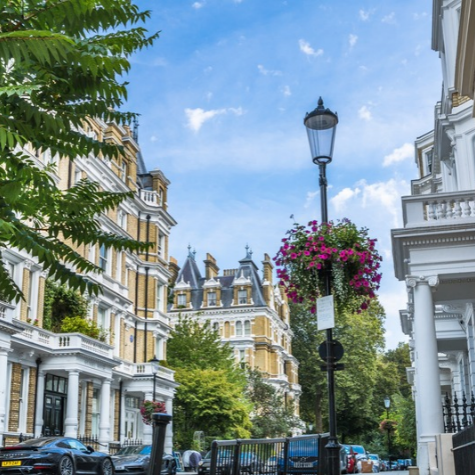
Period properties have a character and charm that can be difficult to replicate in modern buildings. From Victorian and Edwardian houses to older townhouses and historic commercial buildings, original features and traditional construction methods can make these properties particularly appealing.
However, period properties can also have building defects and maintenance issues that aren’t always immediately obvious.
Whether you’re considering buying a period property, already own one or are responsible for maintaining a historic building, understanding some of the common defects to look out for can help you plan repairs and ongoing maintenance.
1. Damp and Moisture Problems
Damp is one of the most common issues encountered in older properties.
Traditional buildings were often constructed using materials that allow moisture to move through the building and evaporate naturally. Problems can occur when modern materials or inappropriate repairs interfere with this process.
Common causes of damp can include:
- Leaking gutters and downpipes
- Defective roof coverings
- Poor external pointing
- Bridged damp-proof courses
- Ground levels that are too high
- Plumbing leaks
- Condensation and inadequate ventilation
The source of damp needs to be identified before remedial work is carried out. Simply treating visible damp without addressing its underlying cause may not resolve the problem.
2. Roof Defects
The roof is an important part of any property, but older roofs can require particular attention.
Period properties may have original roof structures and traditional coverings that have experienced decades of exposure to the elements. Missing, slipped or damaged tiles or slates can allow water into the building, while defective flashing around chimneys and roof junctions can also result in water penetration.
Older timber roof structures may also be affected by decay or insect attack.
Regular inspection and maintenance can help identify problems before they develop into more significant defects.
3. Defective Brickwork and Pointing
The external walls of many period properties are constructed from traditional brick or stone.
Over time, mortar joints can deteriorate due to weathering and exposure. Cracked or eroded pointing can allow water to penetrate the wall and may eventually contribute to further deterioration.
It’s important that repairs are appropriate for the original construction. Using modern cement-based mortar on some traditional buildings can restrict the movement of moisture and potentially cause damage to softer bricks or stone.
A building surveyor can help identify defective masonry and advise on appropriate repairs.
4. Cracking and Movement
Cracks are relatively common in buildings, but their significance can vary considerably.
Minor cracks may be associated with normal movement, ageing materials or changes in temperature and humidity. More significant cracking could indicate movement within the structure or problems with foundations or other elements of the building.
The location, pattern, width and progression of cracks can all be relevant when assessing their significance.
If you’re concerned about cracking in a period property, it’s sensible to have it assessed rather than assuming that it is either harmless or a serious structural problem.
5. Timber Decay and Insect Damage
Period properties contain significant amounts of timber, including roof timbers, floor joists, windows and other structural or decorative elements.
Timber can deteriorate when exposed to prolonged moisture. Older properties can also experience damage caused by wood-boring insects.
Signs to look out for can include:
- Soft or weakened timber
- Discolouration
- Damp or musty smells
- Holes or exit points in timber
- Fine dust or insect debris
- Deflection in floors
Where timber deterioration is suspected, identifying the cause is just as important as repairing the affected material.
6. Older Windows and Doors
Original windows and doors can be an important part of a period property’s character, but they may also require ongoing maintenance.
Timber frames can suffer from rot, particularly around areas exposed to rain. Poorly maintained windows can also become draughty or difficult to operate.
Replacing original features isn’t always necessary. In many cases, appropriate repair and maintenance can extend their lifespan while retaining the character of the property.
7. Chimneys and Flues
Chimneys are another area that can require attention in older buildings.
Potential issues include deteriorated mortar, damaged chimney pots, defective flashing and weathering to the brickwork or masonry. Disused flues may also require consideration when a property is altered or renovated.
Any concerns about chimney stability or structural condition should be investigated by an appropriately qualified professional.
8. Outdated Services
Period properties may have electrical, plumbing, heating and drainage systems that have been modified or upgraded several times over the years.
Some services may be outdated compared with modern standards, while previous alterations may not always have been carried out to a consistent standard.
A building survey can highlight visible concerns, although specialist inspections may be required for particular services.
9. Alterations and Previous Repairs
One of the interesting things about period properties is that they often tell the story of their previous owners.
Extensions, loft conversions, removed walls and other alterations may have taken place over many years. Some work may have been undertaken sympathetically, while other alterations may not be compatible with the original construction.
When buying a period property, it’s worth understanding not just the condition of the original building but also the quality and condition of previous alterations.
Why a Building Survey Can Be Particularly Useful for Period Properties
A standard inspection may identify some visible defects, but a building survey can provide a more detailed assessment of the property’s condition.
For older or unusual buildings, understanding how the property has been constructed and how different materials interact can be particularly important.
A survey can help identify areas requiring further investigation, repair or ongoing maintenance, allowing property owners or prospective purchasers to make more informed decisions.
Buying or Maintaining a Period Property?
Period properties can be rewarding to own, but their age, construction and history mean that they can require a different approach to inspection and maintenance than modern buildings.
Understanding the condition of the roof, walls, windows, timber, drainage and other building elements can help you plan for future maintenance and address problems before they become more serious.
At Anderson Wilde & Harris, our building surveying team provides professional advice on a range of property types and building-related matters.
If you’re considering purchasing a period property or need advice about the condition of an existing building, contact Anderson Wilde & Harris to discuss your requirements.