
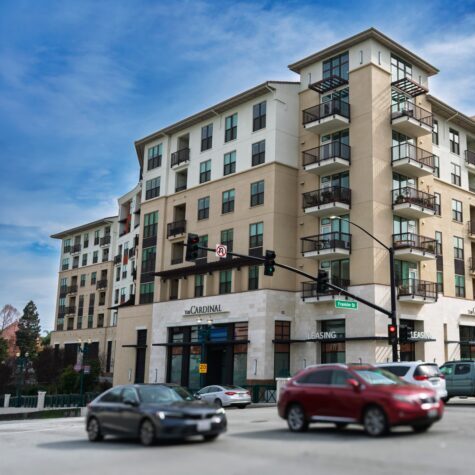
The days of purely residential suburbs and strictly commercial downtowns are fading. Modern urban planning and savvy property investment are increasingly focused on a powerful model: the mixed-use property.
For investors, developers, and property owners seeking maximum value and resilience in their portfolios, understanding what is mixed-use property is crucial. At Anderson Wilde & Harris, we define it as a type of real estate development that blends residential, commercial, industrial, or entertainment uses into a single project or building.
The Anatomy of Mixed-Use
A mixed-use property goes beyond having a single shop on the ground floor of an apartment block. It is a carefully integrated environment where multiple functions coexist to create a dynamic ecosystem.
Common Examples of Mixed-Use Developments Include:
- Vertical Integration: High-rise buildings where the lower floors are dedicated to retail, dining, or offices, while the upper floors contain apartments or condominiums.
- Horizontal Integration: A campus-style development featuring separate but connected buildings, such as townhouses clustered around a central office block, a fitness centre, and a small food market.
- Live/Work Spaces: Properties specifically designed to allow small business owners or freelancers to operate their enterprises on the lower level and reside above.
Why Mixed-Use Property is a Smart Investment
The blending of functions is not just a trend; it’s a structural advantage that offers inherent resilience, especially during economic shifts.
- Reduced Risk and Diversified Income
The core financial benefit is risk mitigation. If the retail market slows down, rental income from the residential units can stabilise the property’s cash flow. If office occupancy dips, the active ground-floor shops and restaurants maintain vibrancy and attract tenants. This diversification makes mixed-use assets highly attractive to lenders and long-term investors.
- Enhanced Valuation and Longevity
Mixed-use properties often command a premium valuation. Their very nature—creating a community where people can live, work, and socialize without commuting—increases demand for all integrated spaces. They are seen as future-proof assets that cater to modern lifestyle preferences, retaining value longer than single-purpose buildings.
- Increased Foot Traffic (The Synergistic Effect)
Each element feeds the others. The residents provide built-in customers for the retail tenants, and the retail and dining options make the offices and apartments more desirable. This self-sustaining cycle maximises occupancy rates and justifies higher rental yields across the board.
Navigating the Valuation Complexities
While the concept is straightforward, valuing a mixed-use development is complex. It requires specialised expertise to accurately assess the cash flow and market risk of each component (e.g., valuing the high-end residential units is vastly different from valuing the commercial anchor tenant space).
At Anderson Wilde & Harris, our Chartered Surveyors have the experience necessary to provide precise, defensible valuations and detailed development appraisals for these sophisticated assets.
Ready to explore the potential of a mixed-use property investment?
Contact Anderson Wilde & Harris today for expert valuation and strategic property consultancy to guide your next development decision.