
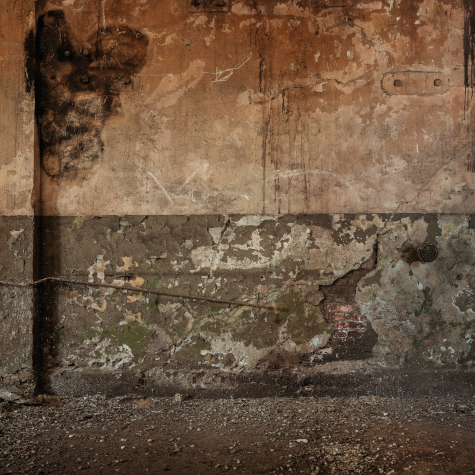
Dilapidations have long been a sensitive subject when it comes to landlord and lessee relationships in commercial real estate. Landlords want to protect asset value and recover the cost of repairing damage, while lessees want to ensure they’re only paying for the obligations they’re legally responsible for.
Historically, dilapidations negotiations have focused on the cost of physical repairs. However, rising construction costs, evolving occupier expectations, increasing sustainability requirements and shifting investment strategies have all led to claims being assessed through a much broader lens.
Landlords and investors must be ready to prove that a lessee’s failure to comply with lease conditions has caused a genuine financial loss, that remedial works will genuinely be undertaken, that these works are not superseded by other refurbishment or redevelopment plans, and that the remediation costs reflect current market conditions.
What Are Dilapidations?
Dilapidations are breaches of lease obligations relating to the condition of a commercial property. They commonly come up at lease expiry, although additional interim obligations may also apply during the occupation period.
Typical dilapidations include repairing damage or deterioration to the building, redecorating parts of the building, removing lessee alterations, and replacing missing fixtures and fittings.
The extent of a lessee’s liability depends on the wording of the lease. A lessee occupying a modern office under a full repairing and insuring lease will have significantly different obligations from an occupier in a building where a schedule of condition limits their liability.
Dilapidations are fundamentally an exercise in interpreting contractual obligations, assessing physical conditions, and understanding commercial impact. The current professional benchmark is the RICS Dilapidations in England and Wales Guidance Note (7th Edition), published in February 2024. The guidance emphasises the importance of proportionate, transparent and evidence-based approaches to preparing claims and negotiating settlements.
One of the most persistent misconceptions is that a landlord is entitled to recover the full cost of every item included within a schedule of dilapidations. In fact, dilapidations damages should only compensate a landlord for actual loss. They are not designed to provide an opportunity for improvement works, refurbishment upgrades or enhancements beyond the lessee’s contractual obligations.
What is Section 18?
Section 18(1) of the Landlord and lessee Act 1927 remains one of the most important considerations in commercial dilapidations. This legislation places a limit on damages where the value of the landlord’s interest has not been reduced by the lessee’s breach. In practical terms, this means that repair costs do not automatically equal recoverable damages.
This distinction has become increasingly important as commercial property owners reposition their assets following changes in occupier demand. A landlord may identify £500,000 of repairs at the end of a lease. However, if the building is subsequently stripped back and refurbished as part of a wider redevelopment programme, the recoverable loss may be significantly lower because some of the lessee’s obligations would have been included under planned works.
A Section 18 valuation has become increasingly important in major dilapidations negotiations. Within this, building survey evidence is necessary to establish the technical cost of works, while valuation evidence is required to decide whether those works have actually affected the landlord’s finances.
The Impact of Market Conditions on Dilapidations Claims
The commercial property environment has become increasingly challenging for landlords and lessees alike. Several current market trends are directly affecting dilapidations negotiations, and any claims need to consider these wider factors.
Construction Cost Inflation
Construction output prices rose sharply following the pandemic due to increased material costs, supply chain disruption and labour pressures. Although inflationary pressures have eased from their peak, costs remain materially higher than pre-pandemic levels.
The Building Cost Information Service (BCIS) has continued to report elevated construction costs, with labour availability, wage growth and specialist contractor pricing remaining significant considerations for building projects across the UK.
Landlords understandably need to reflect realistic repair costs. However, inflated contractor estimates can weaken negotiations. This is particularly important in London, where construction costs are among the highest in the UK.
Increased Refurbishment Requirements
Commercial landlords increasingly feel the need to invest in refurbishment to maintain competitiveness, attract occupiers, and protect asset values. Older buildings often require significant upgrades to meet modern expectations.
In particular, sustainability has become a central consideration for commercial property owners. The need to improve energy performance, reduce carbon emissions and meet evolving EPC standards is influencing refurbishment decisions across the UK commercial property sector.
In dilapidations disputes, this raises important questions around whether works relate to lessee obligations or form part of a landlord’s broader repair schedule or sustainability strategy.
Changing Office Demand
The shift towards hybrid working has fundamentally changed occupier expectations, particularly in the London office market. Lessees are seeking higher-quality, flexible and amenity-rich spaces rather than traditional office environments, prompting many landlords to rethink how assets are configured and presented.
As a result, dilapidations claims need to consider whether lessee repairs would genuinely benefit the landlord or whether wider changes would have been required to meet evolving market demand.
Asset Repositioning
Many investors are now adopting proactive asset management strategies to reposition buildings, improve rental performance and respond to changing market conditions. This may involve significant refurbishment, redevelopment or a change in the building’s target occupier profile.
This makes it increasingly important to distinguish between costs arising from lessee breaches and works that would have been undertaken as part of the landlord’s long-term investment plans.
Common Landlord Mistakes
Despite the established legal framework surrounding dilapidations, disputes continue to arise because claims are often prepared without sufficient consideration of commercial reality. A successful strategy produces a credible, evidence-backed position that can withstand scrutiny from lessees, surveyors, valuers and the courts.
The most common mistakes tend to fall into three key areas:
Overstating the Claim
One of the most frequent errors in commercial dilapidations is confusing the cost of works with the value of the landlord’s loss. A schedule may identify every item requiring attention, but not every repair cost will necessarily translate into recoverable damages.
For example, a landlord may include works that represent improvements rather than repairs, replacement of elements that would have been upgraded regardless, or refurbishment items driven by future occupier requirements rather than lessee breaches.
The courts have consistently recognised that dilapidations are compensatory rather than punitive. For landlords, this means that a carefully targeted schedule supported by evidence is often more effective than an ambitious claim that invites challenge.
Poor Timing
A landlord who waits until the final weeks of a lease before considering the condition of a property may lose valuable opportunities to gather evidence, inspect inaccessible areas, understand lessee alterations, and negotiate repairs before occupation ends.
Early engagement is particularly important for larger commercial assets, where decisions around refurbishment, redevelopment or reletting may take months or years. The RICS dilapidations guidance recommends that surveyors become involved at an appropriate stage to enable effective preparation, negotiation and resolution.
For investors, this is particularly relevant when acquiring income-producing assets, as dilapidations exposure is a future liability which should be understood early as part of an asset management strategy.
Poor Documentation
Dilapidations disputes are evidence-led. A landlord seeking to recover damages must demonstrate what the lessee was required to do, how the lessee failed to comply, what works are required, and why those works represent loss.
Without clear records, even a legitimate claim can become difficult to prove. Useful documentation includes photographic schedules, historic condition surveys, schedules of condition, licences for alterations, maintenance records, and any correspondence relating to repairs.
This is especially important where leases have changed hands or where assets have been held within investment portfolios for many years.
Lessee Defences and Negotiation Strategy
While landlords are often focused on recovering costs, lessees and their representatives have become increasingly sophisticated in challenging dilapidations claims. The strongest negotiations usually involve both parties recognising the commercial realities of the property.
Section 18(1) of the Landlord and Lessee Act 1927 remains one of the most important statutory protections for lessees. The provision limits damages where the landlord’s interest has not suffered a reduction in value because of the lessee’s breach. For significant claims, a Section 18 valuation considers factors such as rental demand, investor sentiment, alternative uses, refurbishment requirements, market evidence and landlord intentions.
Supersession arguments are also important considerations in dilapidations negotiations. Under supersession, a landlord may identify a repair requirement, but if they subsequently carry out works that replace or remove the relevant element, the lessee may argue that the original repair obligation no longer represents a genuine loss.
Examples might include removing office partitions during a complete refurbishment, replacing mechanical systems as part of an energy efficiency upgrade, stripping out interiors to meet modern occupier expectations, or redeveloping the property entirely.
This issue is particularly relevant in the current market because many commercial landlords are investing heavily in repositioning assets and improving sustainability performance. As landlords reposition or upgrade buildings to improve energy performance, some lessee obligations may become intertwined with wider capital expenditure programmes.
Why Early Surveyor Involvement Matters
Historically, dilapidations surveyors were often instructed shortly before lease expiry to prepare schedules or negotiate settlements. Today, their involvement increasingly begins much earlier, supporting asset management decisions throughout the lease lifecycle.
Strategic Advice
Early involvement enables surveyors to provide advice on lease obligations, repairing liabilities, likely exposure, reinstatement requirements, and future refurbishment strategies. For landlords, this helps establish realistic expectations. For lessees, it allows time to address genuine liabilities and avoid unnecessary disputes.
Cost Certainty
Commercial property owners increasingly require greater certainty around future liabilities. For investors, unexpected dilapidations disputes can affect investment returns, disposal strategies, refinancing, and transaction negotiations. A proactive approach allows landlords to forecast likely recovery and incorporate realistic assumptions into asset planning.
Faster Resolution
Lengthy dilapidations disputes can consume significant time and professional costs. Early engagement allows inspections to take place while evidence is available, realistic repair costs to be established, and negotiations to begin before positions become entrenched.
The RICS guidance encourages negotiation and proportionate approaches to resolving disputes rather than unnecessary escalation (RICS, 2024). For commercial property professionals, speed of resolution is increasingly important. The sooner parties understand the strength of their respective positions, the easier it becomes to reach a practical settlement.
Looking Ahead
The commercial property sector is undergoing significant change. Hybrid working has altered office demand. Sustainability requirements are influencing refurbishment decisions. Construction costs remain elevated compared with historic norms. Investors are increasingly focused on adapting existing assets rather than simply maintaining them.
The traditional model of preparing a schedule based solely on repair costs is no longer sufficient. Instead, the most effective approach is to understand the genuine commercial position supported by robust evidence. Modern claims require an understanding of lease interpretation, building condition, construction pricing, valuation principles, occupier demand, and investment strategy.
At AWH, our chartered surveyors provide specialist advice on commercial dilapidations across London and the UK. We support landlords, investors, occupiers and property professionals with lease advice, dilapidations surveys, Section 18 valuation support and strategic negotiation.
Contact AWH today to discuss how our experienced dilapidations surveyors can help you manage risk, protect value and achieve a practical resolution.